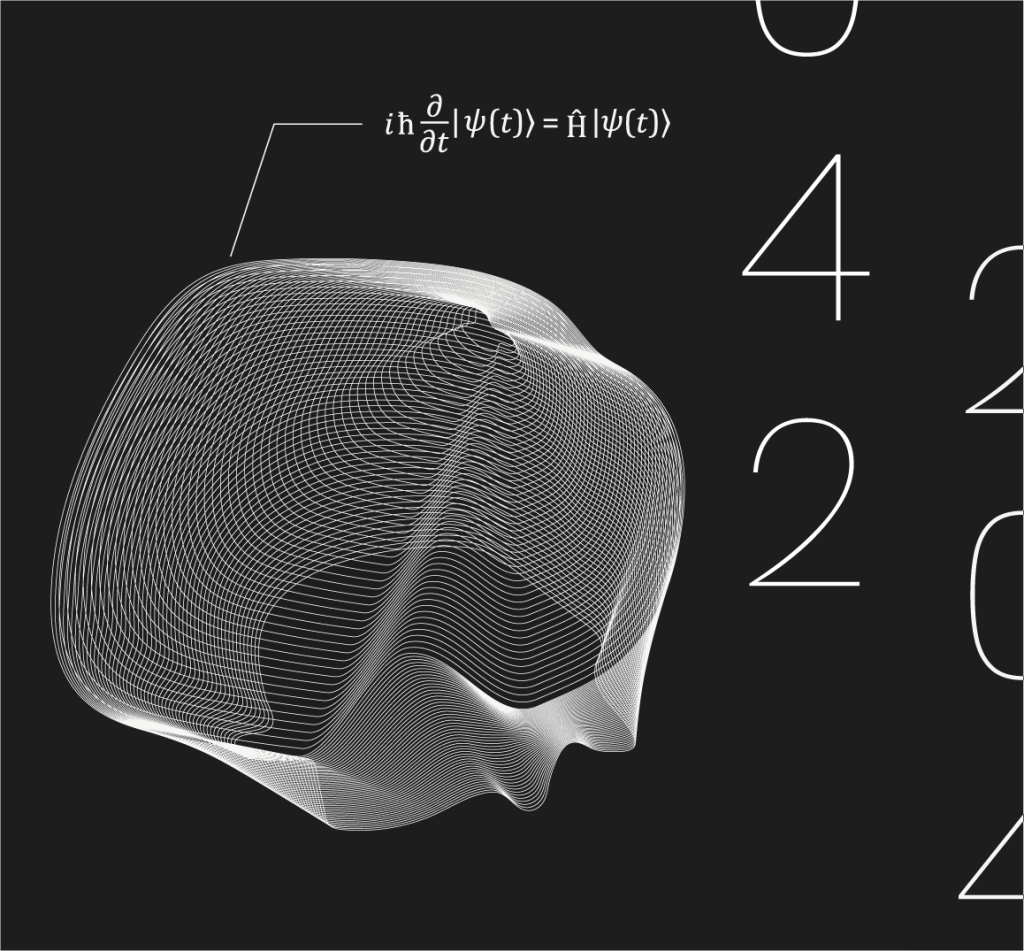
QUANTUM 2042 IS A PROSPECTIVE STUDY CONDUCTED BY CEA AND FUTURIBLES. THIS STUDY AIMS TO EXPLORE THE POSSIBLE APPLICATIONS OF QUANTUM COMPUTING BY THE YEAR 2042.
For over thirty years, CEA has been a major player in fundamental and applied research in the field of quantum computing, particularly with the establishment of a dedicated HUBon this subject. This research focuses notably on two qubit approaches: superconducting and silicon. One of CEA’s strengths is its ability to be present throughout the entire value chain of quantum computing.
In parallel with technological developments, it seems essential to consider the long-term impacts of quantum computing on usage and society. Increasingly, it is crucial to align science and technology with usage and society for the benefit of citizens. We can no longer develop technologies without considering the consequences and impacts on society that may arise. That is why we want to be able to project ourselves long-term and already study the potential consequences of quantum computing on various sectors, both in terms of markets and stakeholders.
Nothing is richer than cross-referencing the visions of companies, and it is with this perspective that we have chosen to explore the long-term value chain of quantum computing with 13 major companies. Given the multitude of uncertainties still surrounding the advent of such computers, it is necessary from today to consider the various possible futures.
deliverable
The public report
Discover in the public report the 4 prospective scenarios on the possible impacts of quantum computing by the year 2042.
The publication of this report also marks the launch of our Quantum HUB. This collaborative approach aims to anticipate the future applications of quantum computing. To learn more, visit the HUB page.
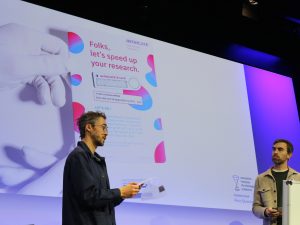
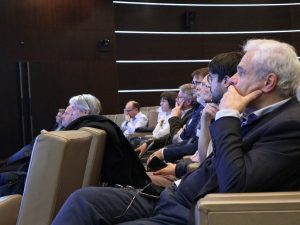
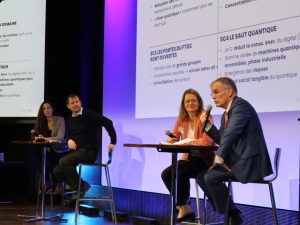
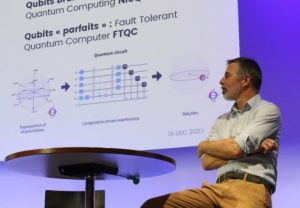
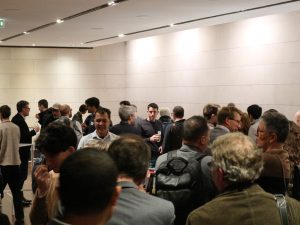
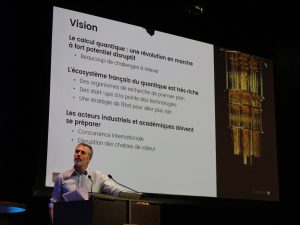
From the basics of quantum computing to expert testimonials, through Design Fiction, here are some visual highlights from the public presentation of the study.
Thank you again to the Groupe Bouyguesfor hosting this event.
Acknowledgments
We would like to thank all the individuals who contributed to the development of this report : Luc Gaffet, Delphine Roma, Jean Galand, Christopher Arnoll, Pascal Cervoni, Cesar Roda Neve, Didier Caudron, Philippe Dejean, Valentina Pozzoli, Laurent Francez, Ali El-Hamidi, Olivier Hess, Etienne Decossin, Tanguy Sassolas, Jacques-Charles Lafoucrière, Guillaume Leterrier, Sebastien Deschamps, Felix Mouhat, Florent Staley, Guillaume Brenaut, Nassima Bammar, Thomas Chapuis, Anne-Lise Guilmain, Christian Gamrat, Patrick Cappe De Baillon, Richard Fournel, Benedicte Almozini, Philippe Caillol, Christophe Vautey, and Julie Lepaulle, as well as all the contacted experts.
Nous utilisons des cookies sur notre site Web pour vous offrir l'expérience la plus pertinente en mémorisant vos préférences et en répétant vos visites. En cliquant sur « Tout accepter », vous consentez à l'utilisation de TOUS les cookies. Cependant, vous pouvez visiter les « Paramètres des cookies » pour fournir un consentement contrôlé.
This website uses cookies to improve your experience while you navigate through the website. Out of these, the cookies that are categorized as necessary are stored on your browser as they are essential for the working of basic functionalities of the website. We also use third-party cookies that help us analyze and understand how you use this website. These cookies will be stored in your browser only with your consent. You also have the option to opt-out of these cookies. But opting out of some of these cookies may affect your browsing experience.